Posts

Showing posts with the label Home buying

How to Buy a Home with Zero Money Down!

Image
  Hey there, welcome to my blog! Today I'm going to talk about something that might interest you if you're looking for a way to buy a home with no money down. That's right, I'm talking about USDA zero down loans. What are USDA zero down loans? USDA zero down loans are mortgages that are backed by the United States Department of Agriculture (USDA). They are designed to help low- and moderate-income borrowers purchase homes in rural areas. The USDA guarantees the loan, which means that if you default on your payments, the USDA will pay the lender instead of you. This reduces the risk for the lender and allows them to offer you a loan with no down payment required. How to get a USDA zero down loan? To qualify for a USDA zero down loan, you need to meet some eligibility criteria. Here are some of the main ones: - You must be a U.S. citizen, a U.S. non-citizen national, or a qualified alien. - You must have a steady income that is within the income limits set by the USDA for...


Everything you Need to Know About Buying Land

Image
  Thank you for visiting my blog! Article by Scott Andrew Alpaugh Buying land can be a great investment, but it can also be a daunting process. There are many factors to consider, such as location, zoning, utilities, taxes, and environmental issues. In this article, I will share some tips and advice on how to find and purchase the right land for your needs. First of all, you need to have a clear idea of what you want to do with the land. Do you want to build a house, a farm, a business, or something else? Different types of land have different regulations and restrictions, so you need to make sure that the land you buy is suitable for your intended use. For example, if you want to build a house, you need to check if the land is zoned for residential use, if it has access to water and electricity, and if it meets the minimum lot size requirements.  Of course you will need a perc test if you plan to put in a septic system. Secondly, you need to do your research on the land and ...

Do I Need a Buyer's Agent?

Image
 Hi there, welcome to my blog! Today I want to share with you some of the pros and cons of using a buyer's agent to find and purchase your next home. If you're thinking of buying a new property, you might be wondering whether you need a professional to help you or not. Well, here are some of the benefits and drawbacks of hiring a buyer's agent. Pros: - A buyer's agent can save you time and hassle by doing the research, screening and negotiating for you. They can also help you find properties that match your criteria and budget, and arrange viewings for you. - A buyer's agent can give you access to more listings, including off-market and pre-market properties that are not advertised to the public. They can also use their network and connections to find out about upcoming opportunities and deals. - A buyer's agent can protect your interests and advocate for you throughout the process. They can advise you on the market value, potential risks and legal aspects of th...

Is a Brick Home Right for You?

Image
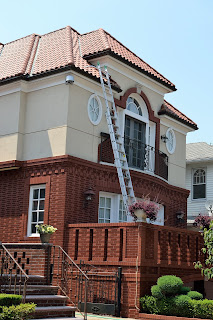
  Hi there, welcome to my andrewalpaugh.blogspot.com blog! Today I want to talk about why you should consider choosing a brick home for your next move. Brick homes have many benefits that make them a great option for anyone looking for a durable, energy-efficient and beautiful house. Here are some of the reasons why I love brick homes and why you should too: - Brick homes are built to last. They can withstand harsh weather conditions, fire, pests and noise better than other materials. Brick homes also require less maintenance and repairs over time, saving you money and hassle. - Brick homes are energy-efficient. They have a high thermal mass, which means they can store heat and release it slowly. This helps keep your home warm in winter and cool in summer, reducing your heating and cooling costs. Brick homes also have good insulation and ventilation, which improve your indoor air quality and comfort. - Brick homes are beautiful. They have a timeless appeal that never goes out of st...

Go From Zero to Hero in Home Buying! ~ Andrew Alpaugh

Image
Buying a home is one of the most important decisions you will ever make. It can be exciting, but also stressful and overwhelming. There are so many factors to consider, such as location, budget, financing, inspection, closing and more. How do you navigate this complex process and avoid common pitfalls? How do you find the best deal and the right home for your needs? This guide will help you answer these questions and more. It will provide you with practical tips and advice on how to prepare, research, negotiate and close on your first home purchase. Whether you are looking for a single-family house, a condo, a townhouse or a co-op, this guide will help you make an informed and confident decision. Here are the main steps you need to follow to buy your first home: 1. Assess your readiness. Before you start looking for homes, you need to make sure you are ready to buy one. This means having a stable income, a good credit score, a realistic budget and a clear idea of what you want and need...

Considerations When Land Buying ~ Andrew Alpaugh

Image
  Buying land can be a rewarding investment, but it also comes with many challenges and risks. Before you sign any contract, you should consider some important factors that can affect your land purchase. Here are some tips from Andrew Alpaugh to help you make an informed decision. 1. Location: The location of your land is crucial for its value and potential use. You should research the area and its surroundings, such as the accessibility, infrastructure, zoning, climate, natural hazards, and future development plans. You should also check the availability and cost of utilities, such as water, electricity, gas, and internet. 2. Size and shape: The size and shape of your land can determine how much you can build on it and what kind of structures you can erect. You should measure the land accurately and verify its boundaries with a surveyor. You should also check if there are any easements, encroachments, or restrictions on the land that could limit your use or access. 3. Soil and wat...

Home Buying During A Recession ~ Andrew Alpaugh

Image
  Hi everyone, welcome back to my blog! Today I want to talk about a topic that has been on my mind lately: buying a home during a recession. Is it a good idea or a bad idea? What are the pros and cons? How can you prepare yourself for this big decision? Let's dive in! First of all, what is a recession? A recession is a period of economic decline, usually marked by two consecutive quarters of negative growth in gross domestic product (GDP). This means that the total value of goods and services produced in the country decreases for six months or more. Recessions can have various causes and effects, but they often result in higher unemployment, lower consumer spending, reduced business investment, and lower interest rates. How does a recession affect the housing market? Well, it depends on many factors, such as the severity and duration of the recession, the supply and demand of homes, the location and condition of the homes, and the expectations and preferences of buyers and sellers...

The Home Inspection Process - Andrew Alpaugh

Image
 Scott Andrew Alpaugh is longtime friends with a certified home inspector who has been in the business for over 10 years. He says that the home inspection process is a vital step for anyone who is buying or selling a property. Here's how it works: - The home inspector will contact the seller or the seller's agent to schedule a convenient time for the inspection. The inspection usually takes about 2 to 4 hours, depending on the size and condition of the property. - The home inspector will arrive at the property and conduct a visual and operational examination of all the major systems and components, such as the roof, foundation, plumbing, electrical, heating, cooling, insulation, ventilation, doors, windows, appliances, etc. The home inspector will also look for any signs of damage, defects, safety hazards, or potential problems that may affect the value or functionality of the property. - The home inspector will document his findings in a detailed report that includes photos an...

Should I use a Realtor to buy? - Andrew Alpaugh

Image
  Wendy and Andrew Alpaugh are a married couple who recently bought their dream home in a quiet neighborhood. They want to share their tips on how to choose the right realtor from their experience in finding a suitable realtor. Here is what they have to say: - Do your research. Before you contact any realtor, do some online research on their credentials, reviews, and track record. Look for realtors who have experience in the area and type of property you are interested in. You can also ask for referrals from friends, family, or coworkers who have worked with realtors before. - Interview several realtors. Once you have a shortlist of potential realtors, schedule interviews with them to see if they are a good fit for you. Ask them about their availability, communication style, fees, and marketing strategy. You should also ask them for references from previous clients and check them out. - Trust your gut. After interviewing several realtors, you should have a sense of who you feel com...

Finding the right mortgage lender - Andrew Alpaugh

Image
  Wendy and Andrew Alpaugh are a married couple who recently bought their dream home in the suburbs. They had to go through a lot of challenges and decisions to make their dream come true, but one of the most important ones was choosing the right mortgage broker. In this article, they share their tips and advice on how to find a suitable broker for your needs. A mortgage broker is a professional who acts as an intermediary between you and the lenders who offer mortgages. They can help you compare different options, negotiate better rates and terms, and guide you through the application process. However, not all brokers are created equal. Some may have hidden fees, conflicts of interest, or poor customer service. That's why it's crucial to do your research and find a broker who is trustworthy, experienced, and transparent. Here are some of the steps that Wendy and Andrew took to choose their mortgage broker: - They asked for referrals from friends, family, and coworkers who had ...