Posts

Showing posts with the label realty

Buying Land: What is a PERC test?

Image
  Hi there, welcome to my blog! Today I'm going to talk about a very important topic for anyone who wants to build a house in a rural area: what is a perc test for land? A perc test, short for percolation test, is a soil test that measures how well the soil can absorb water. This is crucial for determining if you can install a septic system on your property, which is a common way of disposing wastewater in areas without municipal sewage systems. A septic system consists of a tank that collects the waste from your house and a drainfield that disperses the liquid effluent into the soil. The soil acts as a natural filter that removes harmful bacteria and contaminants from the water before it reaches the groundwater. But not all soils are suitable for a septic system. Some soils are too dense, like clay, and do not allow water to drain fast enough. This can cause the septic tank to overflow or the effluent to pool on the surface, creating health and environmental hazards. Other soils a...
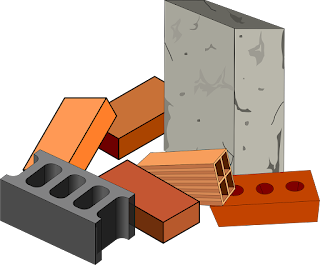

Is a Brick Home Right for You?

Image
  Hi there, welcome to my andrewalpaugh.blogspot.com blog! Today I want to talk about why you should consider choosing a brick home for your next move. Brick homes have many benefits that make them a great option for anyone looking for a durable, energy-efficient and beautiful house. Here are some of the reasons why I love brick homes and why you should too: - Brick homes are built to last. They can withstand harsh weather conditions, fire, pests and noise better than other materials. Brick homes also require less maintenance and repairs over time, saving you money and hassle. - Brick homes are energy-efficient. They have a high thermal mass, which means they can store heat and release it slowly. This helps keep your home warm in winter and cool in summer, reducing your heating and cooling costs. Brick homes also have good insulation and ventilation, which improve your indoor air quality and comfort. - Brick homes are beautiful. They have a timeless appeal that never goes out of st...

Go From Zero to Hero in Home Buying! ~ Andrew Alpaugh

Image
Buying a home is one of the most important decisions you will ever make. It can be exciting, but also stressful and overwhelming. There are so many factors to consider, such as location, budget, financing, inspection, closing and more. How do you navigate this complex process and avoid common pitfalls? How do you find the best deal and the right home for your needs? This guide will help you answer these questions and more. It will provide you with practical tips and advice on how to prepare, research, negotiate and close on your first home purchase. Whether you are looking for a single-family house, a condo, a townhouse or a co-op, this guide will help you make an informed and confident decision. Here are the main steps you need to follow to buy your first home: 1. Assess your readiness. Before you start looking for homes, you need to make sure you are ready to buy one. This means having a stable income, a good credit score, a realistic budget and a clear idea of what you want and need...

Considerations When Land Buying ~ Andrew Alpaugh

Image
  Buying land can be a rewarding investment, but it also comes with many challenges and risks. Before you sign any contract, you should consider some important factors that can affect your land purchase. Here are some tips from Andrew Alpaugh to help you make an informed decision. 1. Location: The location of your land is crucial for its value and potential use. You should research the area and its surroundings, such as the accessibility, infrastructure, zoning, climate, natural hazards, and future development plans. You should also check the availability and cost of utilities, such as water, electricity, gas, and internet. 2. Size and shape: The size and shape of your land can determine how much you can build on it and what kind of structures you can erect. You should measure the land accurately and verify its boundaries with a surveyor. You should also check if there are any easements, encroachments, or restrictions on the land that could limit your use or access. 3. Soil and wat...